

A Journey Through the Southern Greece Landscape
The Peloponnese remains one of the most rewarding regions in Greece to explore by car. Shaped by varied landscapes and far less crowded than the islands, it offers a journey where every stop feels distinct.
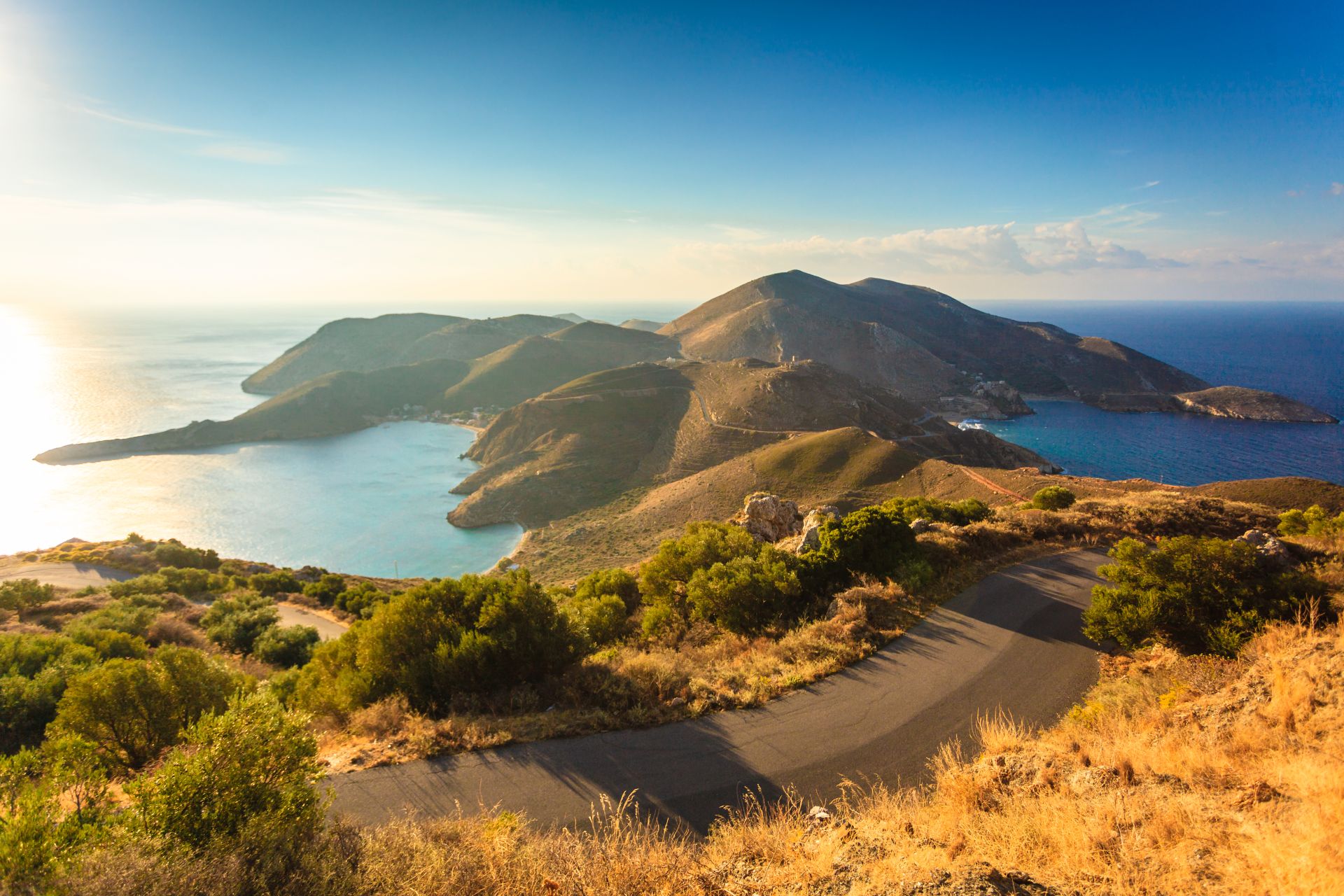
A well-planned Peloponnese road trip itinerary brings together ancient sites, coastal towns, and countryside routes that unfold at a slower pace. From fortified cities to quiet seaside views, this part of southern Greece invites exploration without urgency. It is a region where an hour on the road can take you from classical ruins to Byzantine settlements, through olive groves and along dramatic sea cliffs. For those seeking a route with both depth and a sense of place, the Peloponnese offers one of the most complete road trip experiences in the country.
Reasons to Plan a Southern Greece Road Trip
A southern Greece road trip allows for a deeper connection to the country’s cultural and natural heritage. Distances are manageable, and there is a satisfying variety to the landscapes along the way.
Unlike destinations that depend on ferry schedules, the Peloponnese offers flexibility. You can stop at a village bakery, pause at a viewpoint, or change your pace without disrupting the journey. This freedom is one of the region’s greatest strengths, ideal for those who prefer moving gradually. The road itself becomes a part of the experience, rather than just the means of arrival.
Travel Tip: Build in time for the unplanned. The Peloponnese is full of short detours and local discoveries that are best appreciated when you are not rushing.
Best Stops in the Peloponnese at a Glance
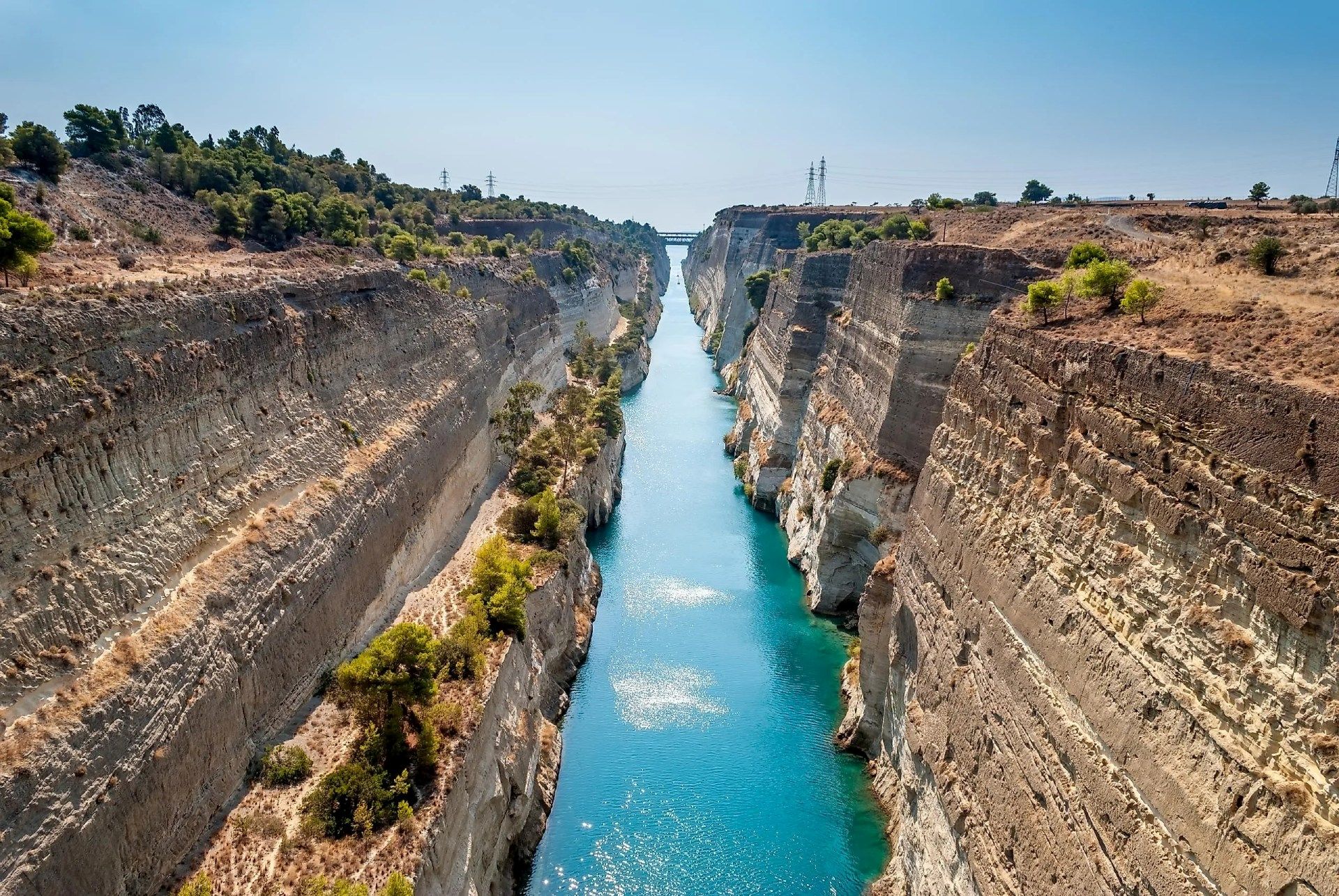
Before defining the route, here are the best stops in Peloponnese that shape this journey:
- Corinth: The gateway between the mainland and the Peloponnese.
- Nafplio: Known for its neoclassical architecture and relaxed coastal character.
- Mycenae: A site of immense historical weight and Bronze Age significance.
- Epidaurus: Home to the ancient theatre and a long-standing connection to healing.
- Mystras: A Byzantine hillside settlement with an atmospheric presence.
- Mani Peninsula: A rugged landscape defined by stone-built tower houses.
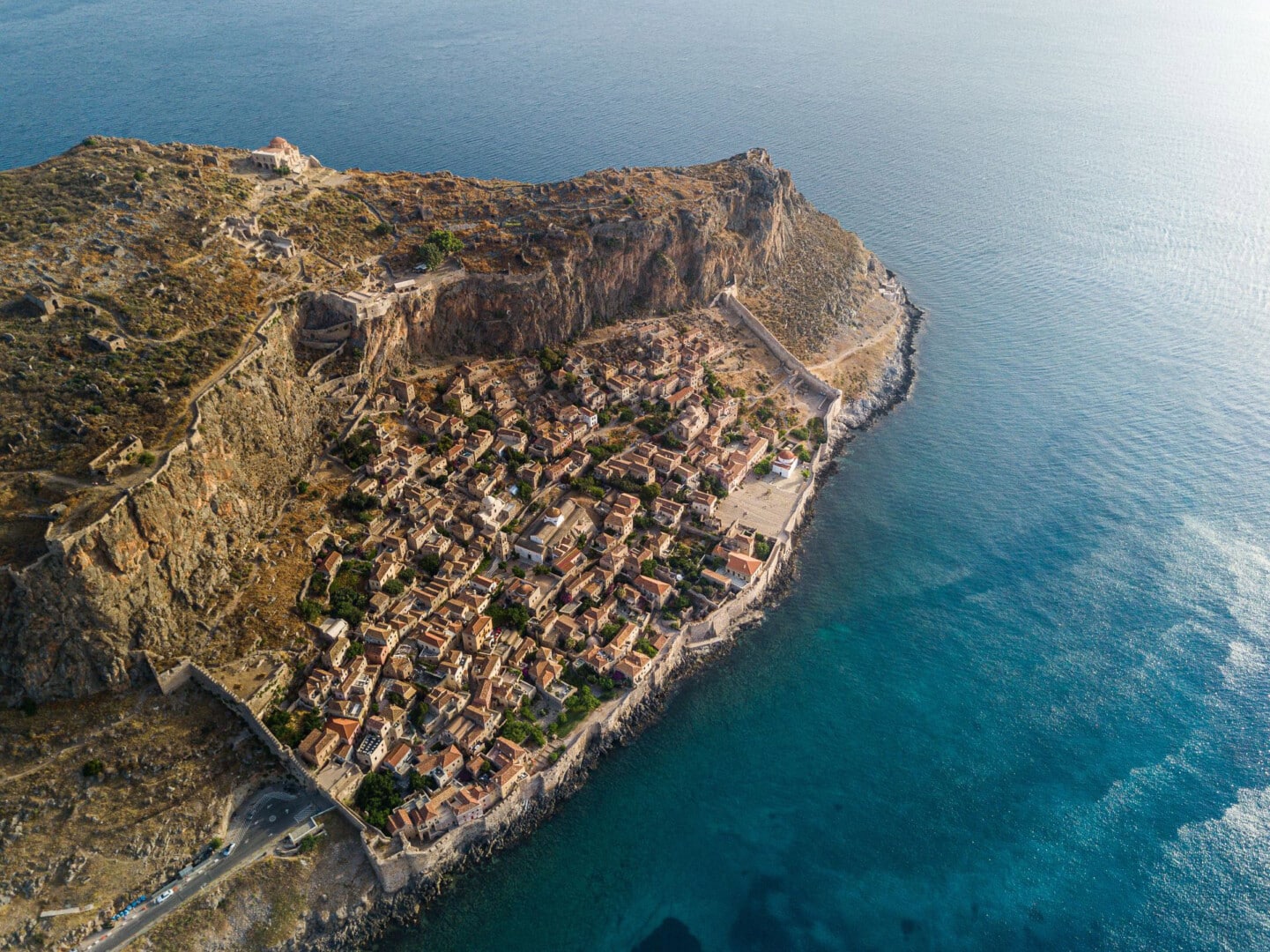
- Monemvasia: A fortified medieval town carved into a sea-facing rock.
Recommended Peloponnese Road Trip Itinerary for 5-7 Days
This itinerary works well over 5 to 7 days, beginning in Athens, the most practical arrival point for the region.
Day 1: Athens to Corinth and Nafplio (~140 km, 2 hrs from Athens)
This first leg introduces the northern Peloponnese, where dramatic engineering meets refined seaside towns. Heading west from Athens, the Corinth Canal offers a striking introduction to the scale of the landscape.
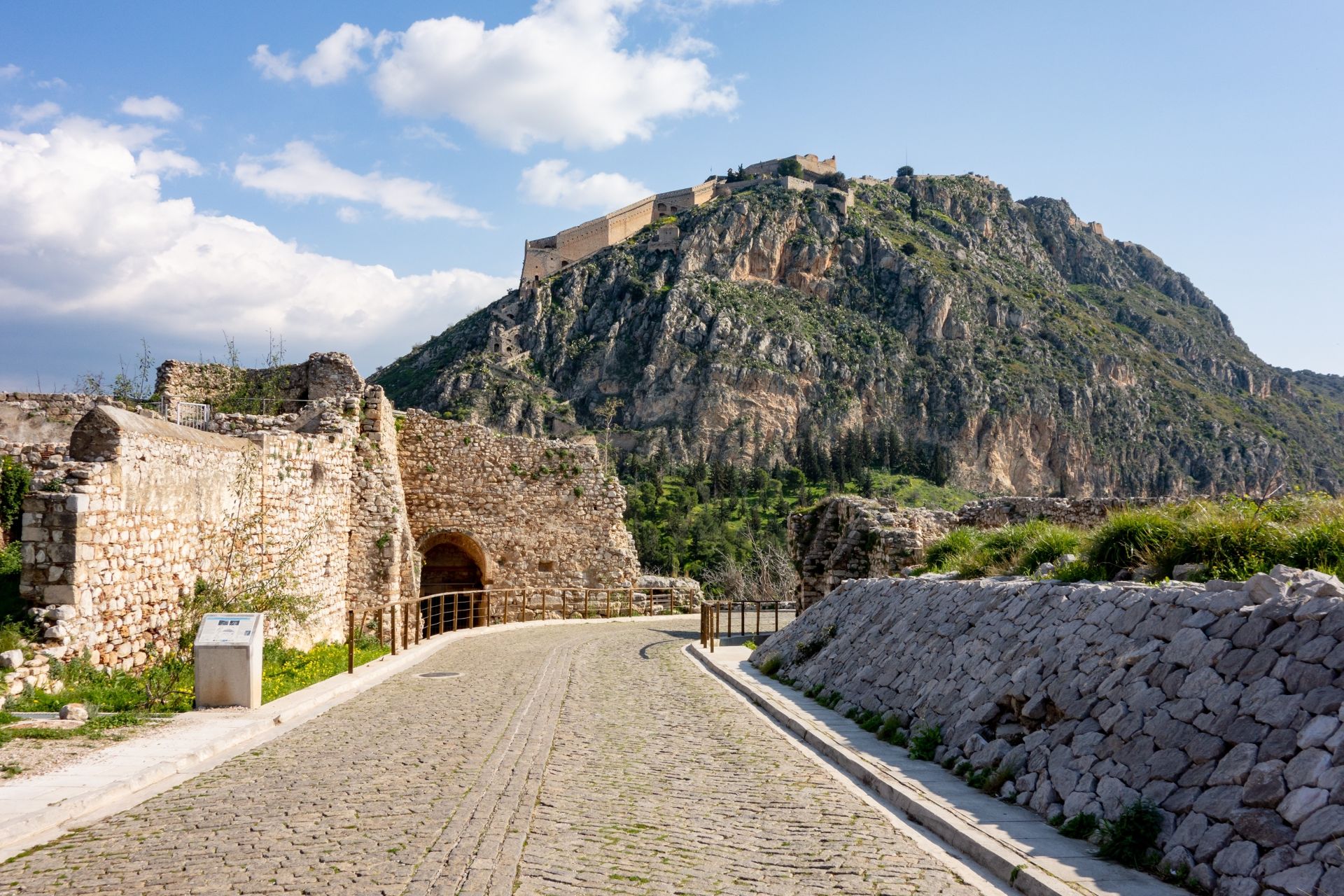
Continue to Nafplio, a town that feels polished without being distant. Its neoclassical buildings and waterfront promenade reflect a layered history, making it a natural first overnight stop.
Highlight: Palamidi Fortress, for panoramic views over the Argolic Gulf.
Travel Tip: Spend the evening walking through the old town. It is a place best appreciated as the light changes and the pace slows.
Day 2: Mycenae and Epidaurus (~60 km total driving, 1 to 1.5 hrs)
This day is dedicated to the archaeological layers of the Argolid. Start at Mycenae, once a powerful center of civilization. Its scale is quiet, but its historical resonance is immense, set against a backdrop of hills that connect the site to the wider land.
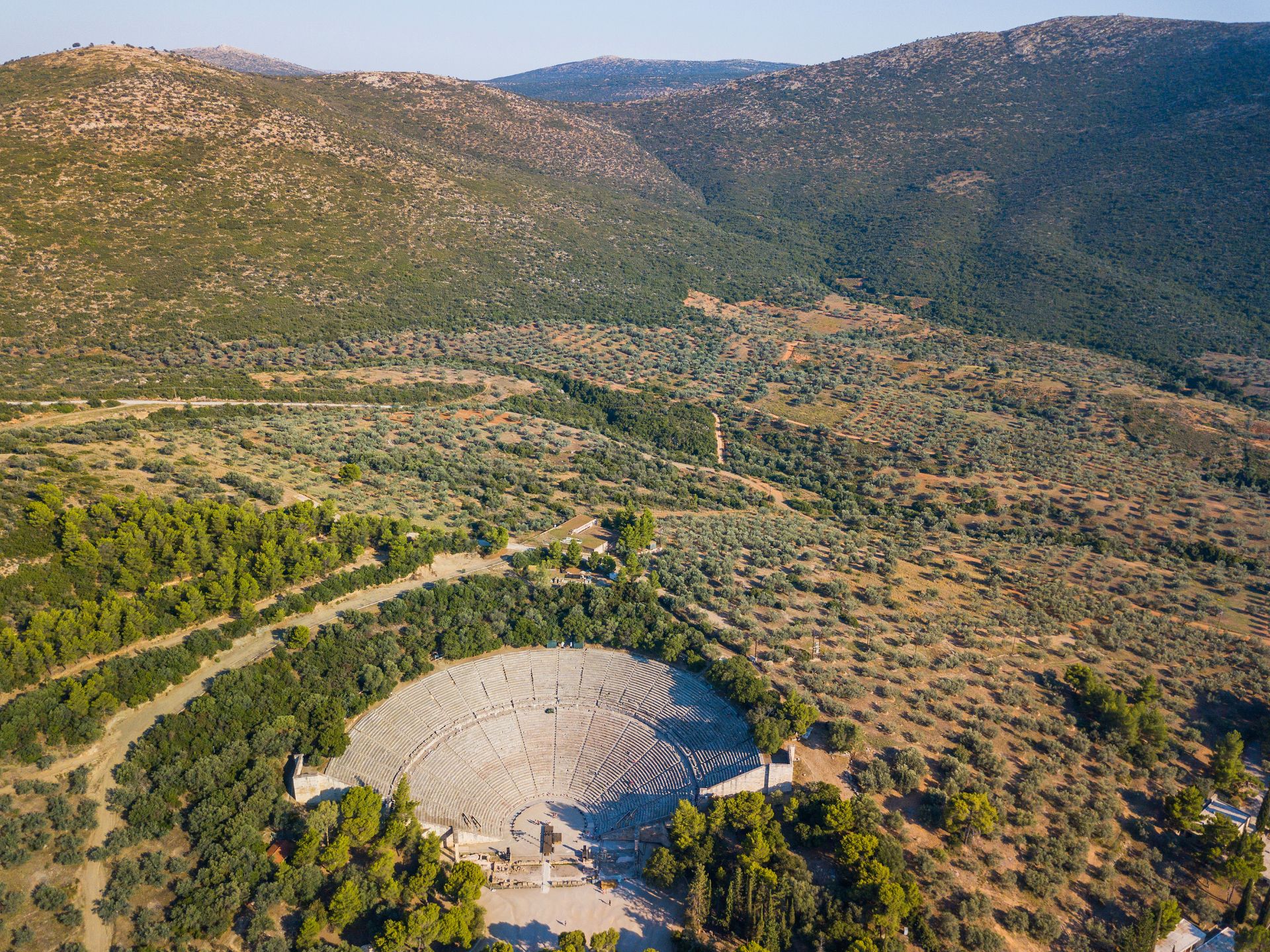
Later, continue to Epidaurus. Even for those not focused on archaeology, the theatre is a compelling experience because of its precision and the way the architecture harmonizes with the natural surroundings.
Highlight: The Ancient Theatre of Epidaurus, where the acoustics remain a feat of ancient engineering.
Travel Tip: Visit these sites in the morning or late afternoon to enjoy the atmosphere without the peak heat of the day.
Day 3: Nafplio to Mystras and Sparta (~150 km, 2.5 hrs from Nafplio)
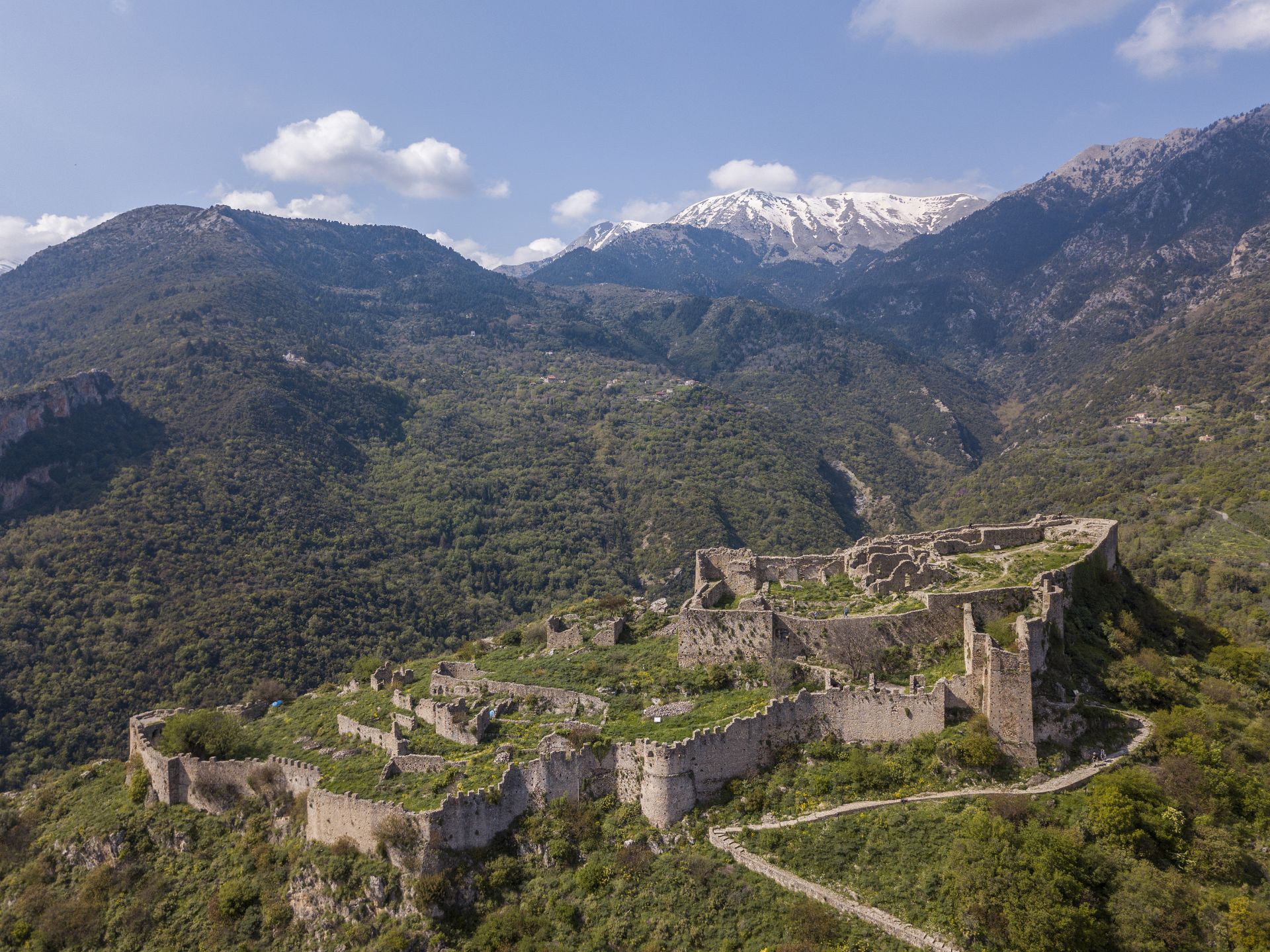
The route now shifts south and inland toward a more mountainous landscape. Mystras offers one of the most atmospheric experiences in the region. Built into the hillside, it is less a monument and more a place revealed through walking—its churches, ruins, and stone paths requiring time and attention.
Sparta, nearby, offers a different character, serving as a practical point of reference in this central part of the Peloponnese.
Highlight: The walk through the upper sections of Mystras, where the views across the valley bring the scale of the Byzantine settlement into perspective.
Travel Tip: Wear sturdy shoes for the uneven ground and carry water, even in the cooler months.
Day 4–5: Sparta to Monemvasia and the Southeastern Coast (~90 km, 1.5 hrs from Sparta)
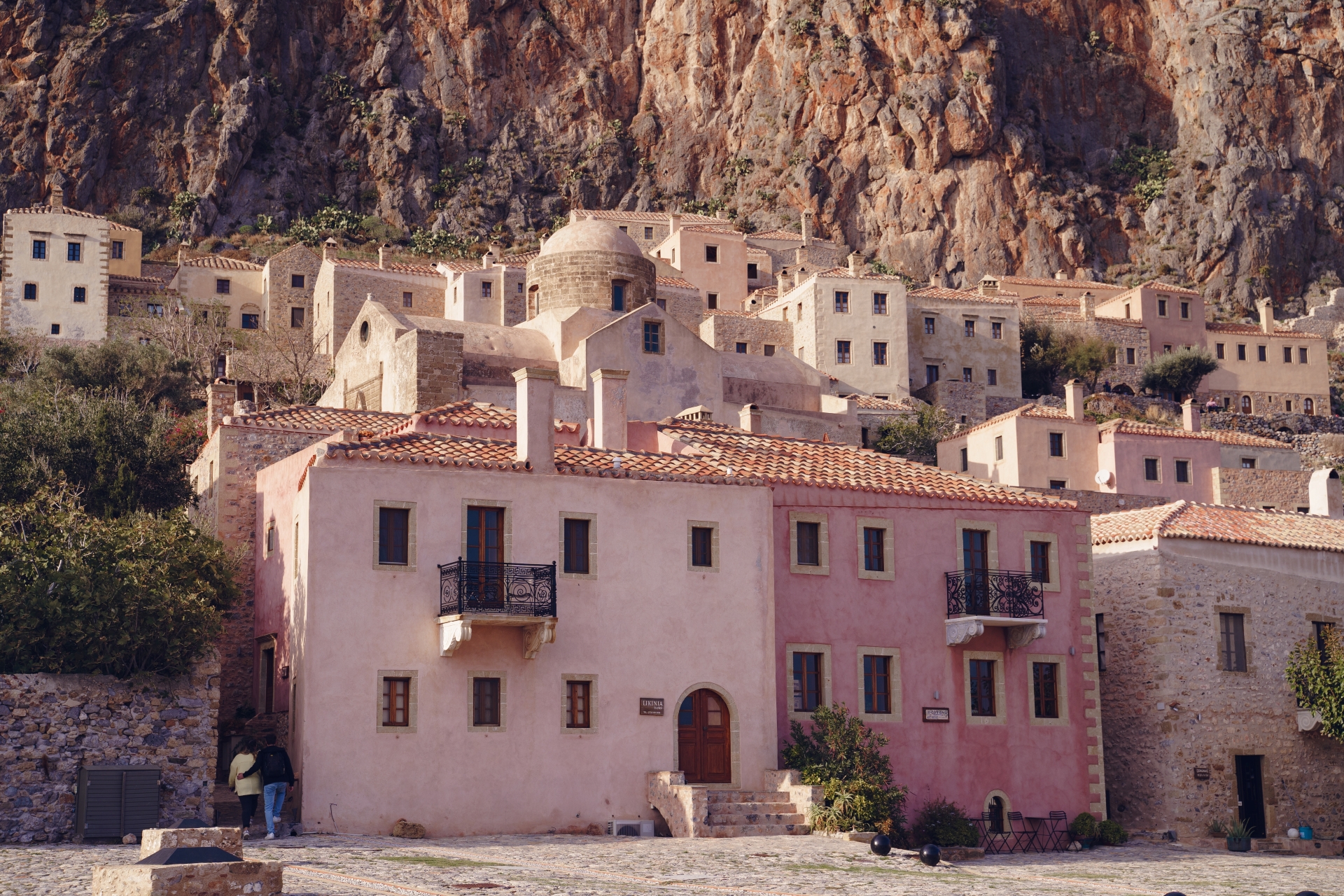
This part of the route leads to one of the most distinctive destinations in Greece. Monemvasia is not a simple stop; built into a rock rising from the sea, it has a presence that sets it apart. The lower town’s narrow streets and stone houses feel contained and separate from time, while the upper town reveals the full scale of the fortress.
Highlight:
Explore the Upper Town of Monemvasia, where the views, ruins, and stillness create one of the most memorable experiences in the Peloponnese.
Travel Tip:
If your schedule allows, stay two nights in this part of the region. Monemvasia is more rewarding when you have time to explore both the town and the surrounding landscape without rushing.
The End of the Route: A Time for Pause
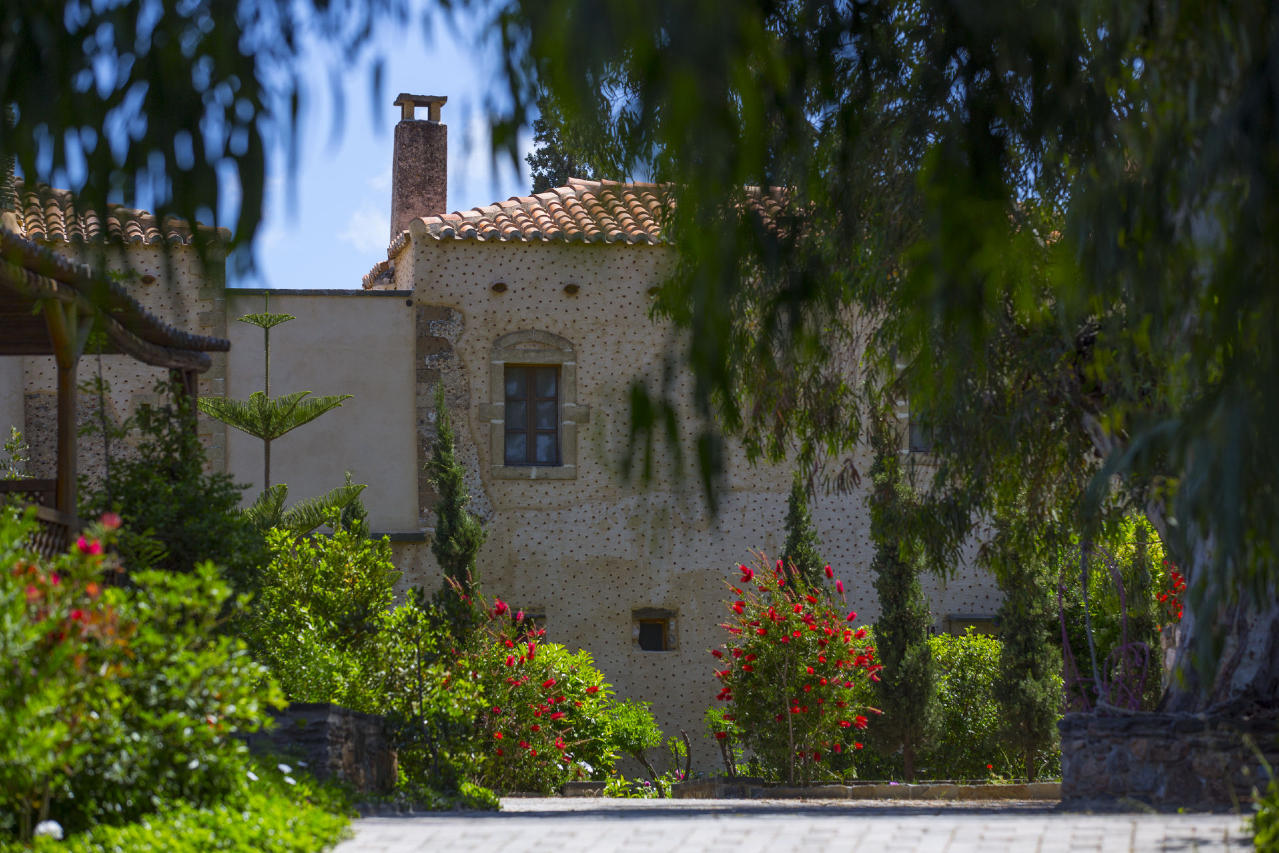
The final leg of a southern Greece road trip often finds its natural rhythm here. Near the rock of Monemvasia, the landscape opens into citrus groves and age-old water cisterns. Kinsterna sits at the heart of this scenery, offering a stay that mirrors the history of the Peloponnese itself, from its Byzantine roots to its contemporary focus on sustainability. It is a place to pause the itinerary and simply inhabit the landscape you have spent the last few days traversing. For those moving through the region with electric vehicles, the availability of EV charging allows this pause to be both practical and mindful.
Alternative Routes and Extensions
The Peloponnese allows the route to be adapted to different interests. A shorter 3 to 4-day trip might focus on Nafplio and Monemvasia, keeping the driving to a minimum.
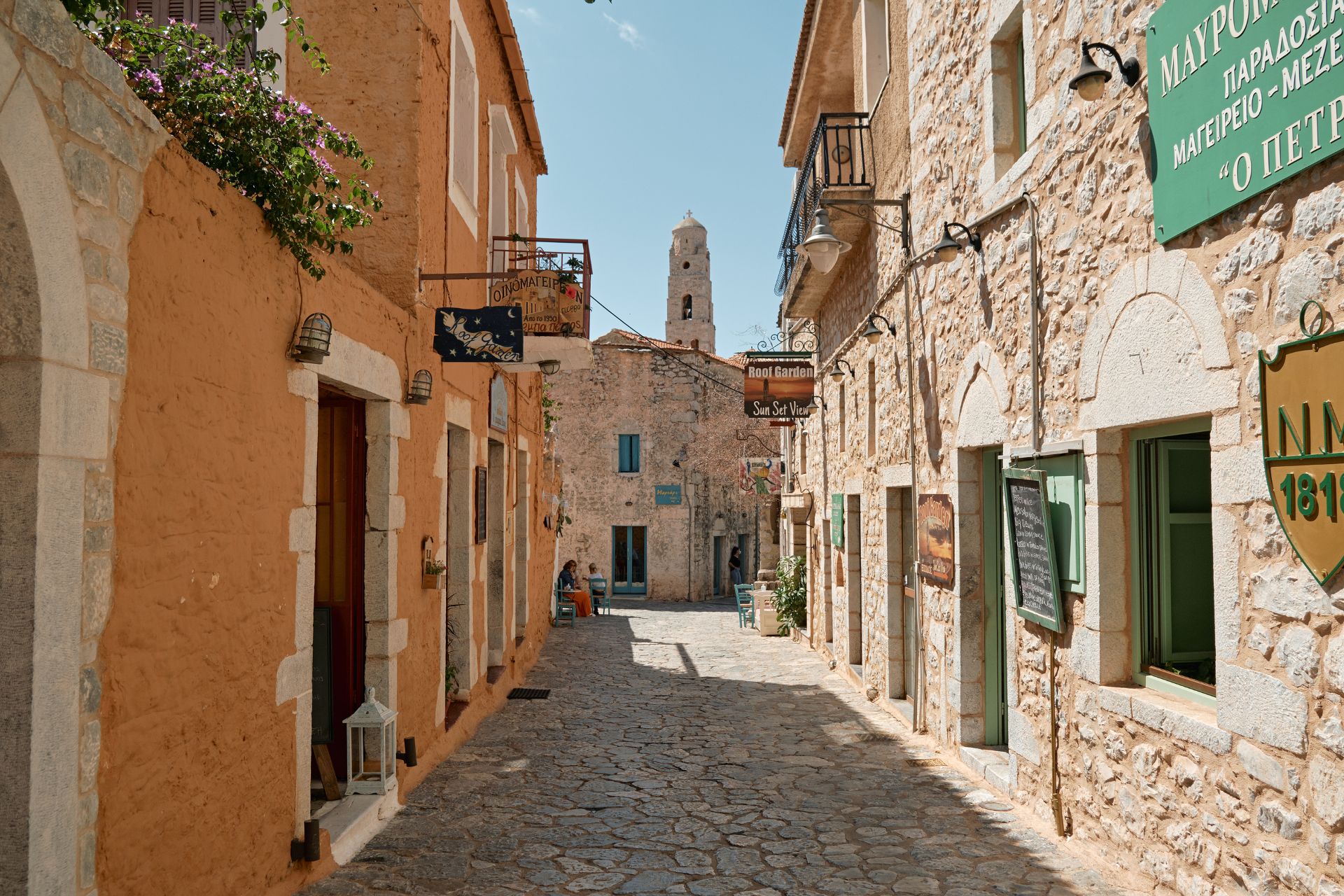
A longer 7 to 10-day journey allows for the Mani Peninsula. Located west of Sparta, Mani offers a rugged contrast with its stone tower houses and untamed coastline. Travellers drawn to landscape and architecture can extend their route south from Mystras through Areopoli.
Best Time for a Peloponnese Road Trip
Spring, from the end of March, April to early June, is a quiet time to travel when the landscapes are green and the roads are calm. Autumn, specifically September and October, offers pleasant temperatures and a warmer sea. While summer is vibrant, the heat can make inland exploration more demanding. Winter provides a more reflective, atmospheric version of the region, rewarded with fewer crowds and dramatic light.
A Peloponnese road trip itinerary offers one of the richest ways to explore Greece. It combines culture, coastlines, and countryside in a region that rewards both movement and pause.
From Nafplio’s elegance to Mystras’ depth and Monemvasia’s dramatic presence, each stop adds something different to the journey. For travellers looking to explore southern Greece with intention, this route offers both structure and freedom.
FAQ: Peloponnese Road Trip
Is the Peloponnese good for a road trip itinerary?
Yes. It is one of the most varied and accessible regions in Greece for a driving journey.
How many days do you need?
Ideally 5 to 7 days to balance the historical sites with the coastal landscapes.
Is Monemvasia worth visiting?
It is widely considered one of the most memorable and unique stops in southern Greece.