
A Seasonal Guide to Monemvasia
To visit the southeastern Peloponnese is to step into a landscape where the rhythm is dictated by the soil and the sea. This corner of Greece, defined by the rugged Parnon mountains and the deep blue of the Myrtoan, is a place that rewards the patient traveler.
A comprehensive Monemvasia travel guide is less about a checklist of sites and more about understanding the seasonal shifts of a region that has remained remarkably true to its heritage. Whether you are drawn to the Medieval castle town or the quietude of the surrounding coastal villages, the experiences here are deeply rooted in a sense of place. For those arriving as part of a larger Peloponnese road trip itinerary, this area serves as a significant final chapter, where the focus shifts from the road to the rhythm of the land.
The Citadel of Monemvasia: A Fortress Separate from Time
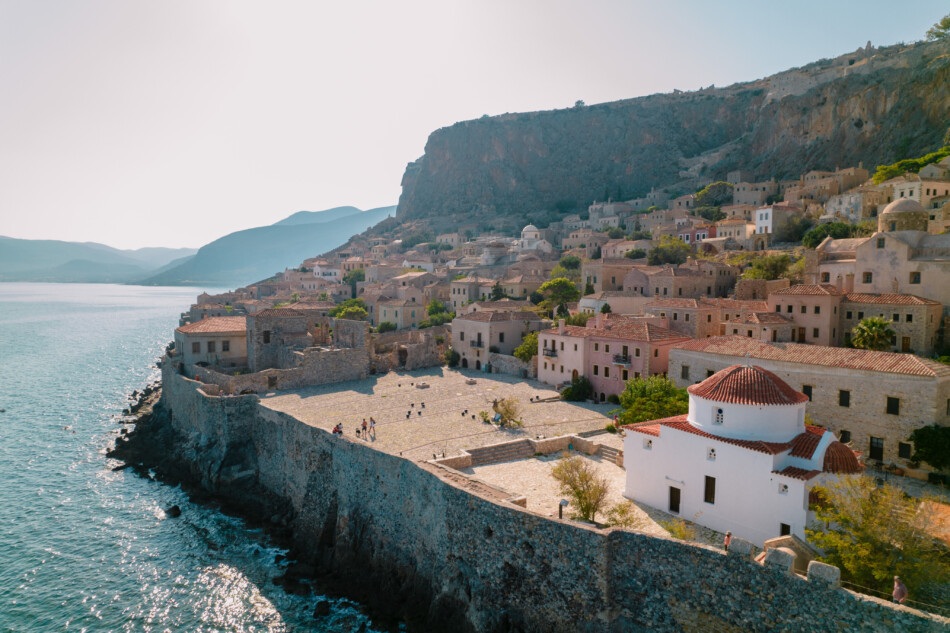
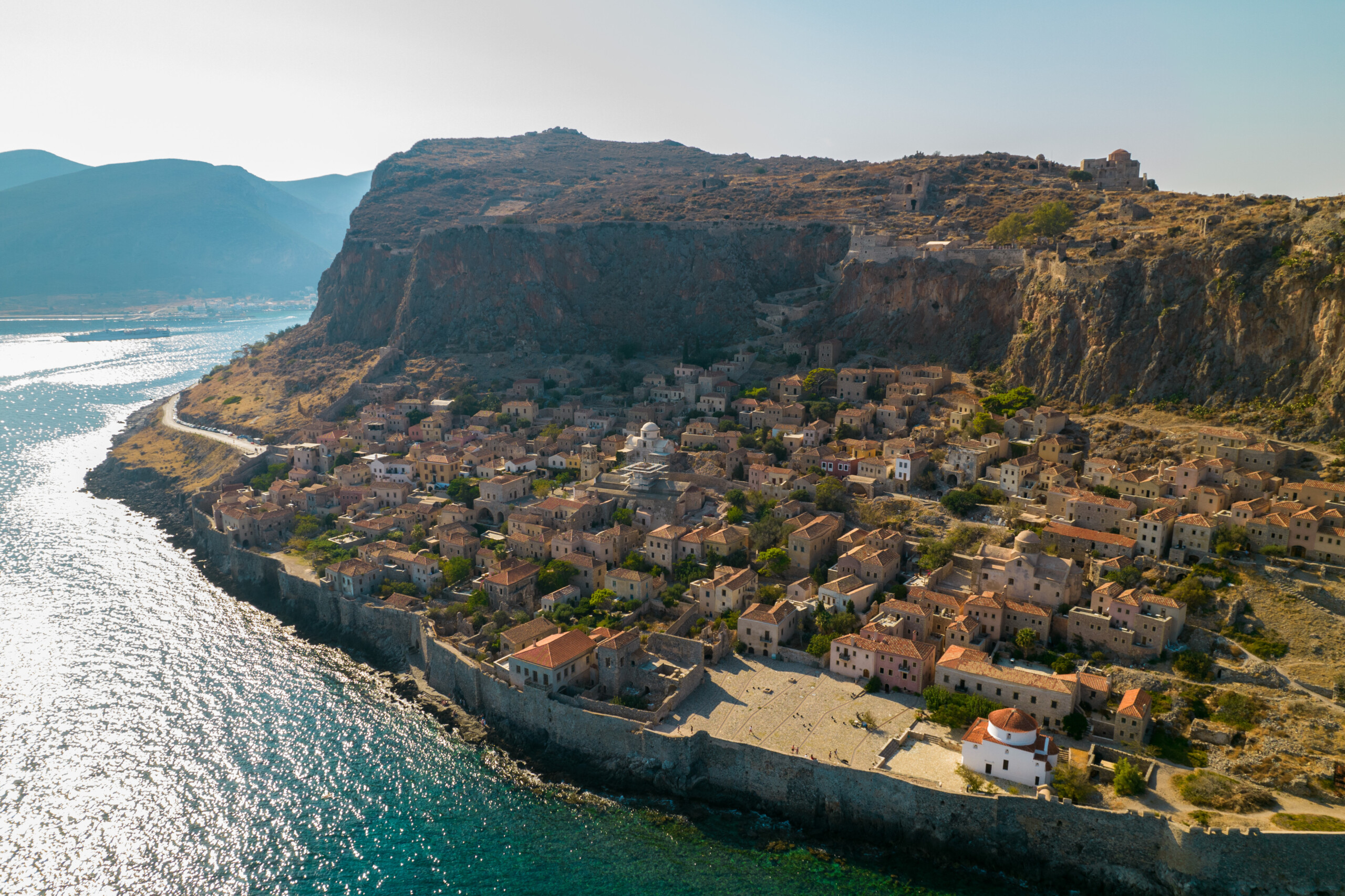
The most prominent of Monemvasia attractions is the rock itself—a colossal limestone fortress rising abruptly from the sea. Known as the “Gibraltar of the East,” the town is split into two distinct experiences.
The Lower Town is a labyrinth of stone-built houses and narrow alleys, where you will find some of the most significant Byzantine churches in the region, including the 13th-century Agia Sophia perched on the cliff’s edge. While there are many things to do in Monemvasia that center on its medieval heritage, a climb to the Upper Town at dawn offers a stillness that is rarely found in more modern destinations. Here, the ruins of the past settle into the landscape, offering panoramic views that help the observer understand the strategic importance of this fortress throughout the centuries. For those seeking the secret spots of the Peloponnese, this elevated silence provides a rare connection to the history of the Mediterranean.
Seasonal Rhythms: Things to Do Near Kinsterna Hotel
The region changes its character with the passing months, offering a different invitation to the traveler depending on the time of year. Understanding the things to do near Kinsterna Hotel requires looking at the land through the lens of the four seasons.
Spring: Hiking and Floral Paths
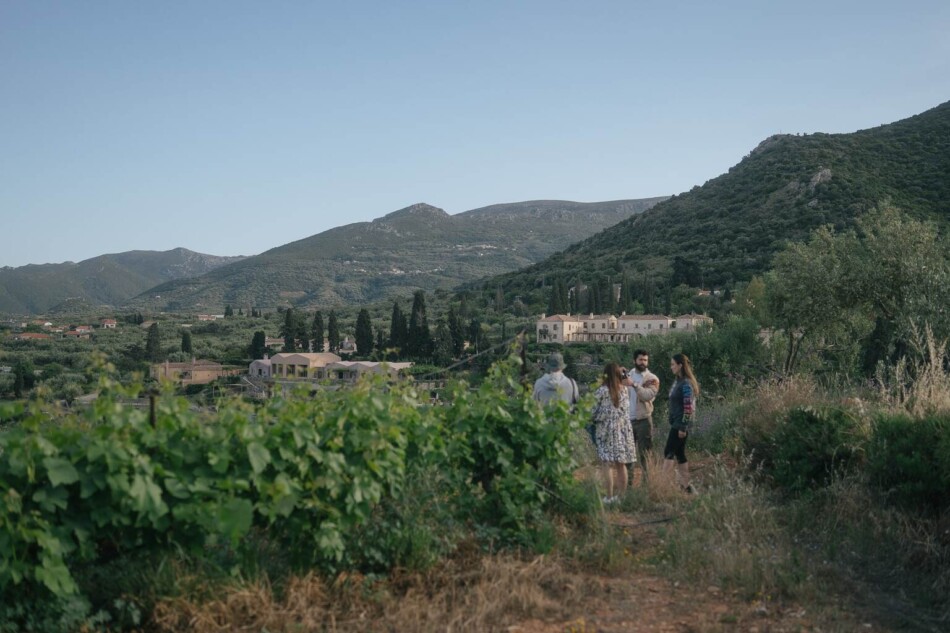
In the spring, the Peloponnese is at its most vibrant. This is the ideal season for hiking the Peloponnese, as the trails are lined with wild orchids and aromatic herbs. One of the most rewarding local experiences is the walk through the estate’s vineyards, where the path leads toward the hills to reveal the ruins of a Hellenistic-era fort.
For those seeking a wider perspective, the route toward Maleas hill and its old spring provides a quiet ascent toward an ancient castle, offering views that stretch across the Laconian Gulf. Exploring the nearby watermill at Talanta or the abandoned settlement of Teria, home to the 13th-century ‘twin’ Byzantine churches, offers a glimpse into hidden gems of the Peloponnese that are best uncovered at a slow, walking pace
Summer: Coastlines and Hidden Fjords
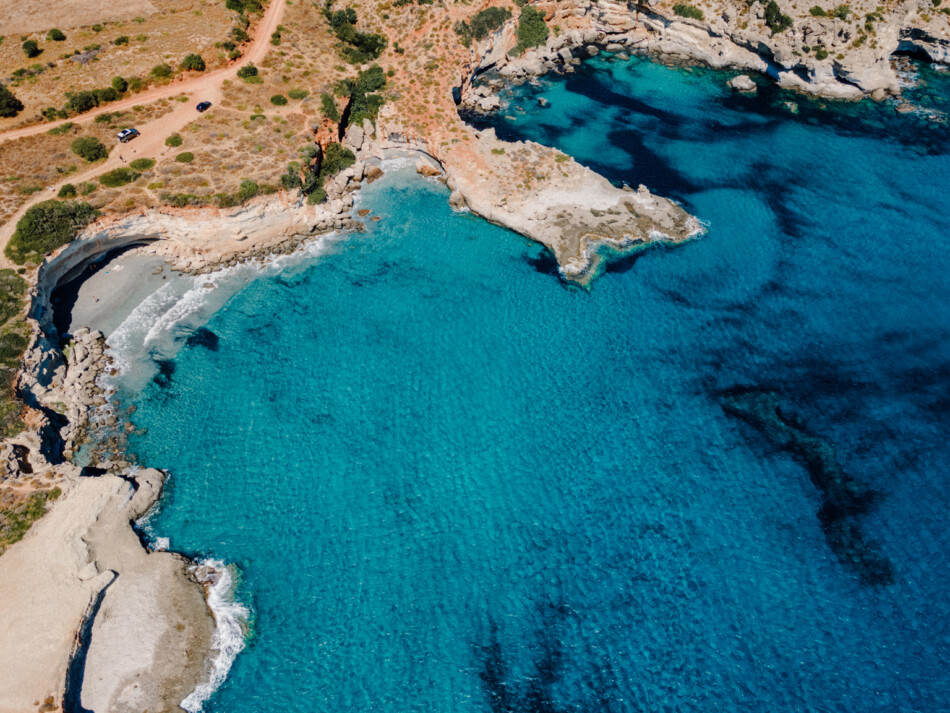
As the heat of the summer arrives, life moves toward the water. Beyond the main beach of Monemvasia, the coastline is dotted with secret spots, such as the secluded port of Gerakas, a literal fjord hidden between limestone cliffs. For those looking to explore deeper, there are several day trips from Monemvasia by sea that reveal the rugged cliffs and hidden coves accessible only by boat.
The dunes of Pounta and the turquoise waters of Elafonisos provide a quiet, exotic contrast to the rocky fortress. For a truly secluded afternoon, the small cove of Damos or the smooth pebbles of Ampelakia offer the kind of stillness that defines a Laconian summer, where the only sounds are the cicadas and the rhythmic pull of the Myrtoan Sea.
Autumn: The Harvest and Cultural Depth
Autumn is the season of harvests. The air is filled with the scent of crushed grapes and, later, the pressing of olives. Exploring the nearby coastal villages during this time offers a glimpse into the authentic agricultural life of the region, where the pace slows even further after the summer visitors have departed. It is a time for visiting the petrified palm forest at Agios Nikolaos or the ancient ruins of Pavlopetri, the submerged ancient city of Pavlopetri, where a simple mask and snorkel allow you to swim over 5,000-year-old foundations and streets visible just beneath the surface.
Winter: Stillness and Heritage
The winter months bring a reflective atmosphere to Laconia. It is a time for visiting the places to visit near Kinsterna that center on history and heritage, such as the Byzantine chapels tucked into the folds of the Parnon range or the nearby village of Kyparissi, which remains sheltered and calm even in the cooler months.
Local Values and Finding Your Base
When exploring these hidden gems of the Peloponnese, the quality of the journey is often determined by the place you return to at the end of the day.
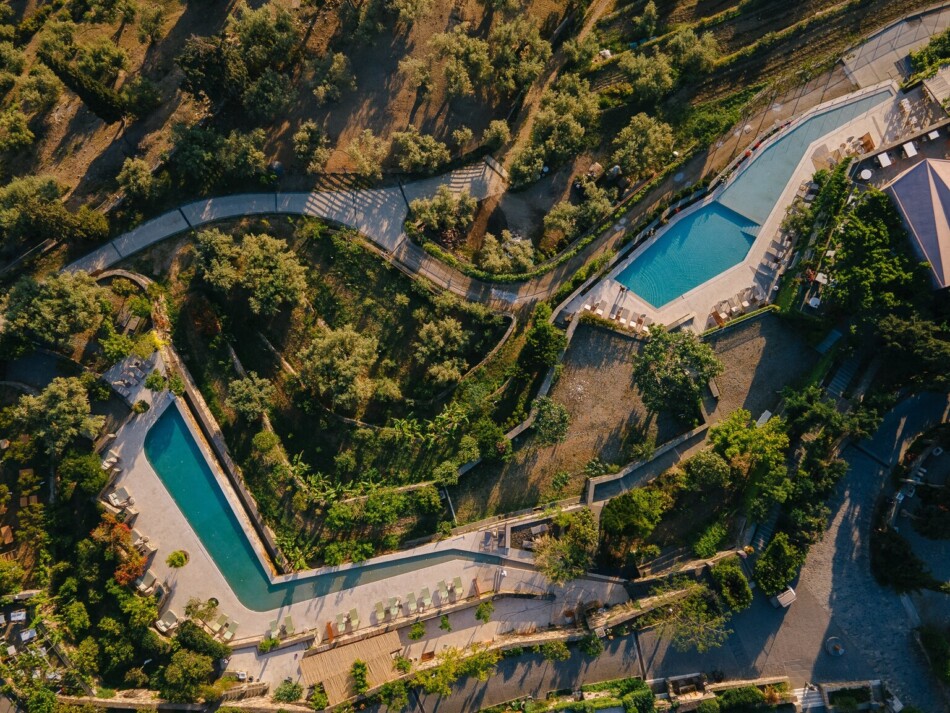
The estate of Kinsterna sits at the heart of this Laconian scenery, functioning as a natural extension of the landscape rather than a separate entity. Its presence is felt through the restoration of the 17th-century manor and the cultivation of the surrounding land, which continues to produce its own wine, oil, and citrus. Staying here allows for a unique participation in activities rooted in the authentic life of the region; an invitation to witness the age-old traditions of the land, from the quiet art of handmade candle-making to the autumn ritual of the grape harvest.
For those seeking things to do near Kinsterna Hotel, the answer is often found by simply stepping outside the manor’s doors. The estate’s own network of paths connects to the wider region, including the E33 European hiking path, allowing for a mindful transition between the historical depth of the castle and the quiet beauty of the countryside. It is a place that mirrors the values of the southern Peloponnese: patience, heritage, and a deep, humble respect for the natural world.